
Teeth Whitening Sensitivity: What to Ask
Teeth whitening can cause sensitivity and gum irritation, according to the Australian Dental Association. If discomfort develops, ask a dentist for advice before using more product; do not assume whitening explains every painful tooth.
On this page
What should you do if whitening makes your teeth sensitive?
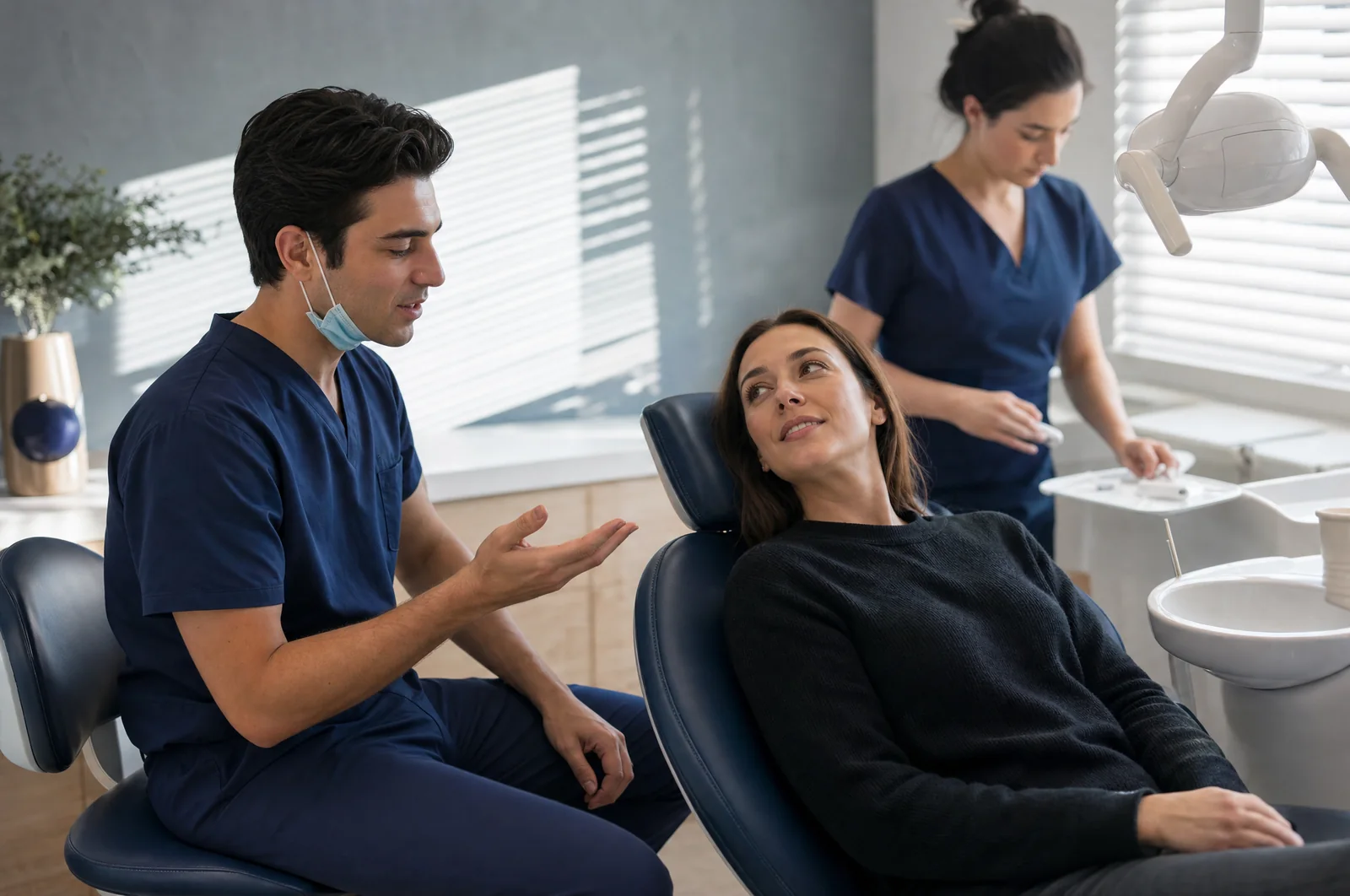
If whitening makes your teeth sensitive, ask a dentist about the symptoms before using more product. Sensitivity is a recognised side effect, but pain can have other causes. Healthdirect advises a check if irritation or sensitivity continues beyond one or two days; troublesome or severe symptoms deserve earlier advice.Sources: [2, 7, 5]
- Cosmetic dentistry in West Perth
See the wider range of cosmetic questions and decisions.
You may be weighing up whitening because cold drinks already bother you. Or you may have started a product and now wonder whether the discomfort is expected. Start with the discomfort question. A target shade or an approaching event does not tell you whether continuing treatment is appropriate.
When you contact the dentist, describe when you used the product, what happened afterwards and whether the discomfort has changed. Keep the packaging or written instructions to hand. Explain whether you used a dentist-provided kit, a whitening toothpaste or another product, rather than describing all of them simply as whitening.
This guide focuses on sensitivity and deciding what to do next. It does not prescribe a gel strength, a wearing schedule or a way to restart treatment. Bring those questions to the dental professional who can assess your mouth and the product being used.
What can whitening sensitivity feel like?
Whitening can cause a strong reaction to cold and irritate the gums, according to the Australian Dental Association. Its sensitive-teeth guidance describes a brief sharp pain when something touches the tooth. That description does not establish the cause. A dental check matters when symptoms persist, change or do not fit your expectations.Sources: [1, 5]
The Australian Dental Association describes sensitivity triggered by cold, heat, sweet food or touch. Tell your dentist about the sensation and trigger. Tell the dentist whether a cold drink, cool air, sweet food or brushing brings it on. Explain whether one tooth or several are affected and whether pain continues after the trigger is gone. You do not need to label the problem yourself.Sources: [5, 7]
Gum discomfort is a separate concern from a sensitive tooth. The Australian Dental Association and Healthdirect warn that whitening gel can irritate or burn soft tissues such as the gums, lips or tongue. If you notice a sore area or a change in the gums, describe that too; do not treat every mouth symptom as the same side effect.Sources: [1, 2]
A familiar symptom name can be misleading. The point of recording what you feel is to help the dentist assess it, not to prove that your discomfort is harmless. Ask which changes should prompt you to get back in touch and who to contact outside an arranged review.
Can you whiten teeth that are already sensitive?
Existing sensitivity needs assessment before whitening is considered. Healthdirect lists sensitive teeth, gum disease, cracks, cavities and untreated dental problems among reasons whitening is not recommended. A dentist can investigate the cause and discuss other care. Choosing a different whitening product does not replace that assessment.Sources: [2]
The Australian Dental Association identifies decay, a failing filling and other dental conditions as causes of sensitivity. A toothpaste sold for sensitivity will not fix decay. If the dentist identifies a dental problem, ask what treatment it needs and what that means for any later cosmetic plan.Sources: [5]
Tell the dentist about previous whitening, existing fillings, crowns or veneers, and any symptoms you had before using a product. Ask whether the colour concern involves natural teeth or a restoration, because Healthdirect and the Australian Dental Association explain that whitening does not lighten existing restorations.Sources: [2, 1]
The Australian Dental Association advises avoiding whitening during pregnancy or breastfeeding because evidence of safety is lacking. That is an evidence limit, not a claim that harm has been proved. Raise pregnancy or breastfeeding when discussing whitening, including questions about whitening toothpaste.Sources: [1]
Your choice may be to postpone the cosmetic decision or leave your natural tooth colour unchanged. Ask what needs attention for health reasons and what is optional. Those are different decisions, even when discussed at the same appointment.
- Our dentist in West Perth
Read Dr Michael Wu's qualifications, registration and clinical review details.
How do whitening and non-whitening options compare?
Dentist-supervised whitening may use in-chair treatment or fitted trays at home, as the Australian Dental Association explains. Compare the cause of discolouration, supervision and discomfort risk before convenience. Healthdirect also describes professional cleaning for surface stains; leaving tooth colour unchanged is another option. Neither whitening method is established here as preventing sensitivity.Sources: [2, 1]
Ask the dentist to compare options for your mouth, not for an average user. A longer take-home process does not by itself mean a better or worse final result. Follow the individual instructions rather than copying another person's amount of gel or wearing time.Sources: [1]
A restoration colour mismatch deserves a separate conversation. Ask which visible teeth already have fillings, crowns or veneers, and how that affects the proposed goal. The Australian Dental Association explains that whitening does not change the colour of existing restorations; more product will not resolve that mismatch.Sources: [1]
| Purpose and colour limits | Use and time commitment | Sensitivity question | Clinic quote | |
|---|---|---|---|---|
| Supervised in-chair whiteningSources: [2, 1] | Bleaches natural teeth; restorations do not whiten. | Your dentist will discuss the appointment stages, timing and follow-up for your individual care. | How will tissues be protected and symptoms managed? | Discuss your individual plan with Dr Michael Wu at a no obligation consultation |
| Supervised take-home whiteningSources: [2, 1] | Bleaches natural teeth; restorations do not whiten. | Your dentist will discuss the appointment stages, timing and follow-up for your individual care. | What should you do if discomfort develops between reviews? | Discuss your individual plan with Dr Michael Wu at a no obligation consultation |
| Professional cleaning, if suitableSources: [2, 5] | Discuss whether surface staining is the concern. | Ask what cleaning is appropriate after assessment. | Does the sensitivity need separate treatment first? | Discuss your individual plan with Dr Michael Wu at a no obligation consultation |
| No whiteningSources: [2, 5] | Keep the existing tooth colour. | No bleaching course; continue necessary dental care. | Investigate existing sensitivity even without a cosmetic plan. | Not a whitening quote |
- Teeth whitening
Read the related treatment decision guide.
- Veneer material and colour decisions
Consider restoration colour separately from whitening natural teeth.
What should a sensitivity-aware plan include?
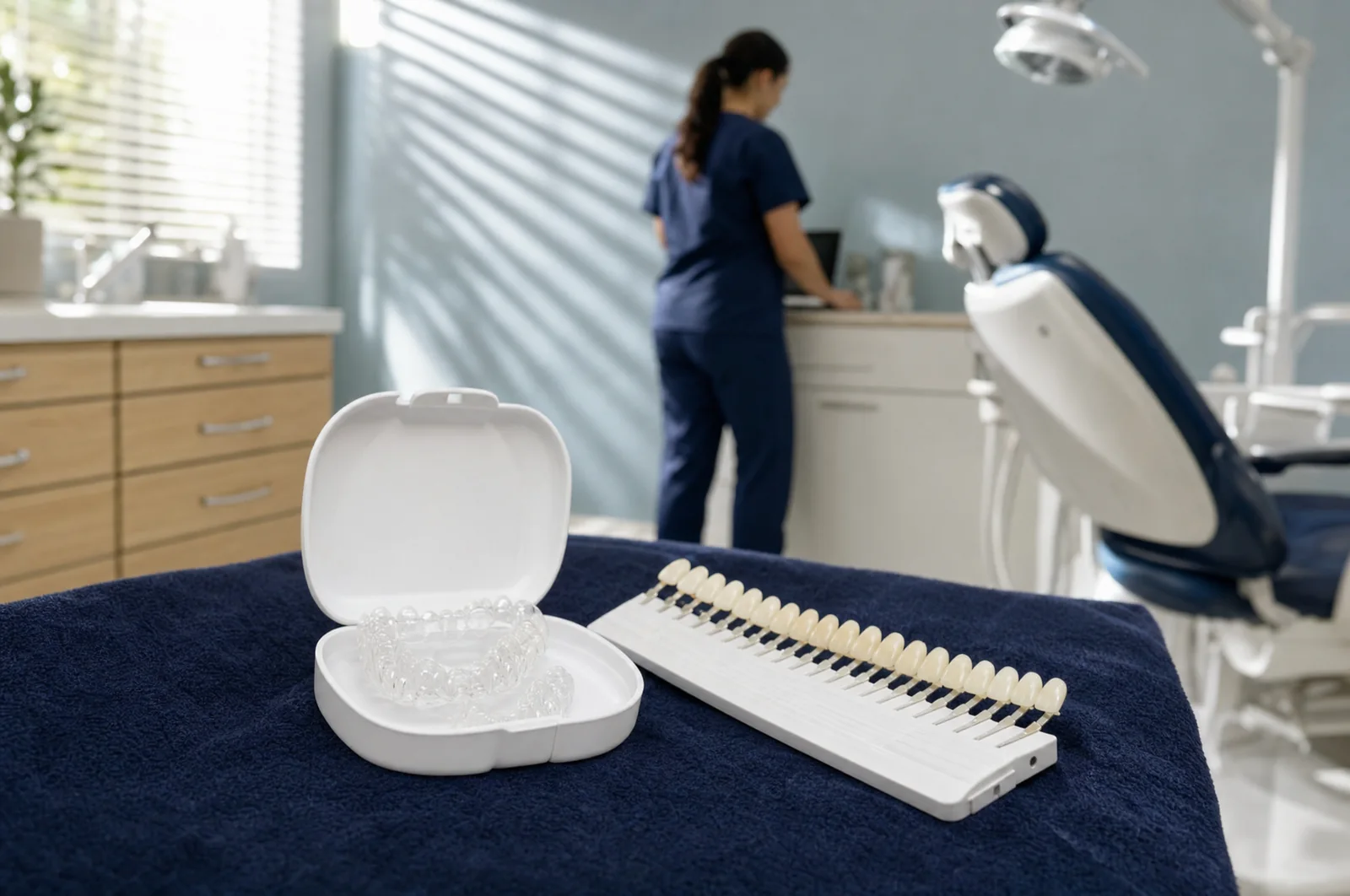
Start with dental assessment, product instructions, a contact for side effects and a review plan. Healthdirect and the Australian Dental Association advise professional assessment and guidance before whitening. For take-home care, the dentist specifies the product use. Ask how discomfort will change the plan before you begin, instead of improvising once symptoms appear.Sources: [2, 1]
The useful milestone is an agreed next decision, not a promise to reach a shade by a particular day. Ask what will be reviewed, what information to bring and whether you should arrange another appointment. Your dentist will explain the proposed materials, methods and any temporary arrangements in your individual plan.
Before starting
Assess before choosing
Discuss existing sensitivity and have teeth and gums checked. Ask what the colour concern is and whether a dental problem needs treatment first.Sources: [2, 5]
Before taking a kit home
Understand the instructions
Ask the dentist to explain the amount of gel, tray use and prescribed schedule. Repeat the instructions back if you are uncertain. Your dentist will explain the proposed materials, methods and any temporary arrangements in your individual plan.Sources: [1]
Before the first use
Agree how to report discomfort
Ask whom to contact about tooth pain, gum irritation or a problem with the tray. Keep those instructions with the product rather than relying on memory.Sources: [1, 7]
If symptoms or goals change
Review before changing course
Ask for advice before extending a course or restarting after discomfort. A general guide cannot select a new strength or decide that your teeth are ready for more treatment.Sources: [2, 1]
Which symptoms need a prompt check or emergency help?
Persistent discomfort needs a dental check, and toothache with fever, swelling or a bad taste needs prompt advice, according to Healthdirect. Healthdirect and NHS guidance call for emergency medical care for breathing, speaking or swallowing difficulty, or swelling around the eye or neck. Do not assume whitening explains these symptoms.Sources: [2, 3, 6]
When describing pain, say whether it is getting stronger, keeps coming back or affects eating. Mention swelling and any other symptoms even if you are unsure they are connected. The clinician needs the whole description, not only the name of the product you used.
While arranging dental advice, ask a pharmacist or doctor which pain relief is suitable for you and follow its label. Healthdirect describes soft foods and avoiding very hot or cold drinks as ways to ease toothache temporarily. These steps are temporary comfort measures and do not identify or treat its cause.Sources: [3]
| What to do | What not to assume | |
|---|---|---|
| Sensitivity or irritation that bothers youSources: [2, 7] | Contact the dentist for advice; persistent symptoms beyond one or two days need a check. | That discomfort must be tolerated to complete the course. |
| Toothache with fever, bad taste or facial swellingSources: [3] | Seek prompt dental advice and describe all symptoms. | That whitening explains the whole problem. |
| Breathing, speaking or swallowing difficultySources: [3, 4] | Call 000 or go straight to an emergency department. | That a routine dental booking is the right next step. |
| Swelling near the eye or neckSources: [3] | Get emergency medical assessment. | That a scheduled review is soon enough. |
- Warning signs of a dental infection
Read about infection symptoms and urgent escalation.
How should you approach recovery and future whitening?
Recovery should be guided by your symptoms and the dentist's advice, not a promised number of comfortable days. Healthdirect advises a check when sensitivity or irritation persists. Ask for a separate decision about any future whitening. Teeth and gums still need routine care whether you continue cosmetic treatment or stop.Sources: [2, 5]
Before a follow-up discussion, note whether symptoms occur less often, feel different or have spread to another area. Bring your product and instructions if requested. Ask the dentist to explain what the assessment means for your next step and what would make another check necessary.
The Australian Dental Association recommends fluoride toothpaste, cleaning between teeth and avoiding excessive brushing pressure. Ask for individual advice if cleaning itself triggers pain. Keeping teeth clean does not mean you should dismiss sensitivity that needs investigation.Sources: [5]
Future whitening is an elective decision. Ask whether the cause of the earlier symptoms is understood, whether another approach is appropriate and what you would do if symptoms recur. No repeat-treatment interval, maintenance product or guarantee of comfort is established by this guide.
What should you ask about costs before starting?
Ask for a written quote that separates assessment, the whitening treatment, any kit or trays and follow-up. Clarify what happens if discomfort means the plan changes. No obligation consultation. Ask for an individual treatment plan and written estimate before deciding. HBF, nib, GMHBA, AIA, Frank, Peoplecare and RBHS via smile.com.au; HICAPS on-the-spot claims and DVA. Check your cover and any out-of-pocket amount with your fund. Afterpay, Zip, Humm and Supercare (super release) are available, subject to eligibility and provider terms. A quoted colour goal should not replace a discussion about suitability.
For a take-home proposal, ask whether the initial gel, trays, fitting review and later supplies are included. For an in-chair proposal, ask whether any suggested home care is part of the quoted scope. These are comparison questions, not a list of services confirmed at this clinic.
Ask whether investigating existing sensitivity is charged separately and whether other dental treatment is required before any whitening decision. Keep those costs distinct so you can see what is needed for dental health and what relates to the optional change in appearance.
If you decide to stop or defer, ask what the written terms say. Refunds, adjustments, health fund benefits and payment plans cannot be inferred from public clinical guidance. Discuss the terms for your proposed care before deciding.
- Dental fees and payment questions
Check payment options and what to ask about your written estimate.
What does the evidence not establish about whitening comfort?
Healthdirect and the Australian Dental Association identify sensitivity and soft-tissue irritation as risks; they do not identify a whitening method that will keep every patient comfortable. They also cannot predict your shade change, symptom duration or suitability. A claim that a product avoids sensitivity needs more than a material name or a testimonial.Sources: [2, 1]
A short period of discomfort described by Healthdirect and the Australian Dental Association is not a deadline for when your mouth must feel normal. Likewise, the fact that sensitivity is a recognised effect does not confirm that it explains your pain. Assessment and clear follow-up instructions matter more than a promised recovery day.Sources: [2, 5]
This guide does not rank gel ingredients, recommend a strength or compare brand claims. Ask the dentist what evidence supports the proposed approach for someone with your concerns and which uncertainties remain. You can choose to leave your tooth colour unchanged.
What practical questions remain before you decide?
Useful remaining questions concern toothpaste, overlapping products and the next review. Ask which products belong in your plan and what to do if you cannot follow the instructions. Keep the decision focused on healthy teeth and an acceptable level of uncertainty, rather than completing treatment for a deadline.
Will sensitivity toothpaste solve the problem? Ask whether it is appropriate for the diagnosed cause. The Australian Dental Association explains that desensitising toothpaste does not treat sensitivity caused by decay. It is not a substitute for a dental check, and this guide does not give a toothpaste regimen.Sources: [5]
Can whitening toothpaste also cause sensitivity? Yes. The Australian Dental Association includes sensitivity among its possible effects. Tell the dentist about every whitening product you use so the discussion covers more than a single kit.Sources: [1]
What if an event is approaching? Tell the dentist the date, but ask for suitability and comfort advice without requiring treatment to fit the occasion. Your next step is to resolve the sensitivity question and understand the proposed plan. Clinic availability must be confirmed separately.
- Contact Simply Smiles West Perth
Simply Smiles West Perth offers porcelain and composite veneers, teeth whitening, Invisalign clear aligners, smile makeovers, dental crowns, single-tooth implants, implant bridges, full-arch implants and emergency dental care.
- Cosmetic dentistry in West Perth
Return to the cosmetic decision overview.
- Dental advice articles
Browse the existing patient guides.
Sources
Numbers in brackets point to these public sources.
- Australian Dental Association: Teeth whitening. Accessed 6 October 2026.
- Healthdirect Australia: Teeth whitening. Reviewed February 2025. Accessed 6 October 2026.
- Healthdirect Australia: Toothache and gum swelling. Accessed 6 October 2026.
- Healthdirect Australia: Dental injury. Reviewed February 2026. Accessed 6 October 2026.
- Australian Dental Association: Sensitive teeth. Accessed 6 October 2026.
- NHS: Dental abscess. Reviewed 18 March 2026. Accessed 6 October 2026.
- NHS: Teeth whitening. Accessed 6 October 2026.
Clinical review
This guide was reviewed by the dentist named below. About our dentist
- Reviewing dentist
- Dr Michael Wu
- Qualifications
- Doctor of Dental Medicine (UWA)
- AHPRA registration
- DEN0002758483
- Review date
- 7 October 2026
Source access dates record when the research was checked. They are not clinical review dates.