
Dental Crowns Perth
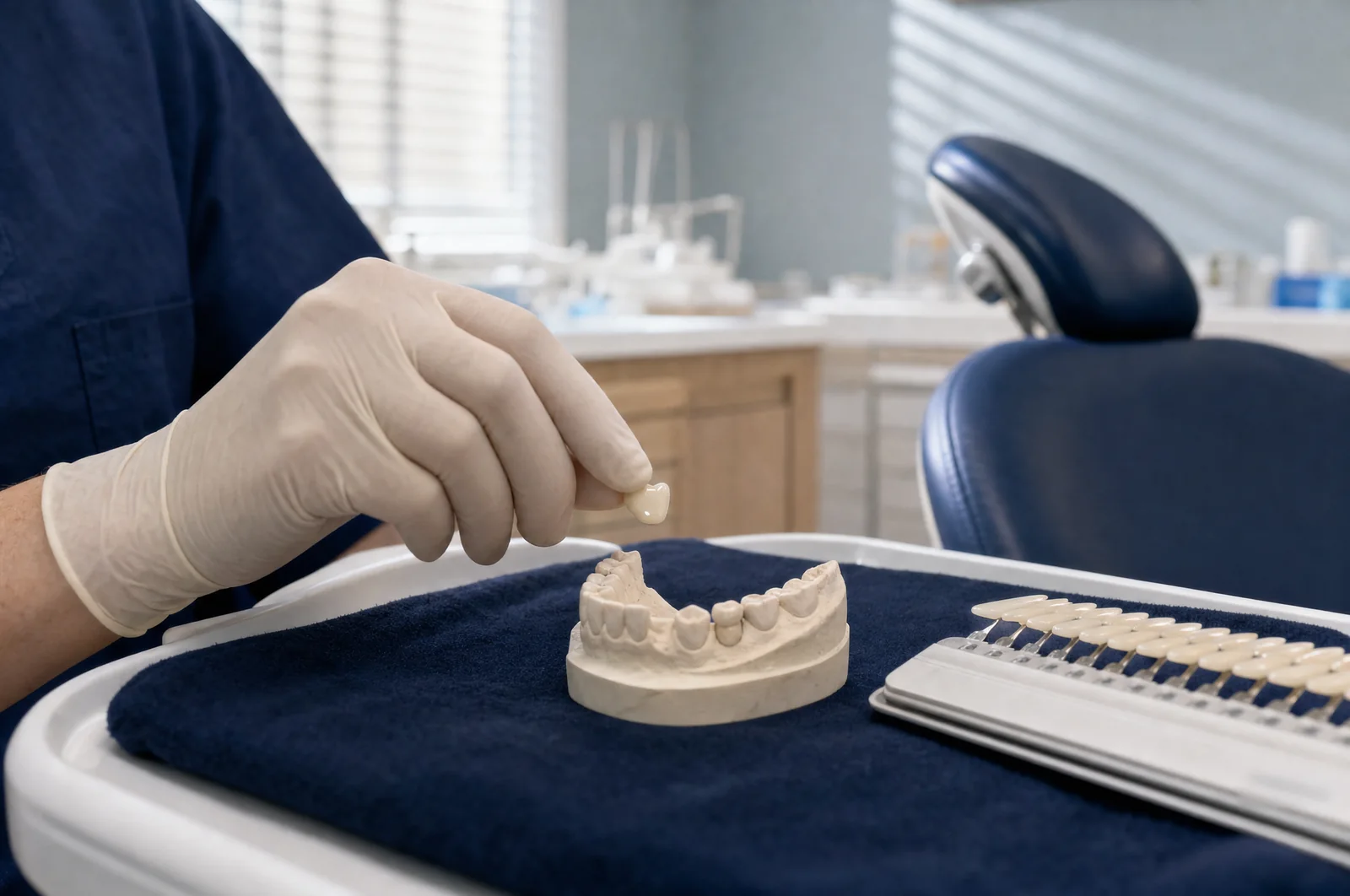
A dental crown covers an existing tooth after it is shaped, as Healthdirect Australia explains. A crown may be proposed for a damaged tooth, but a smaller restoration can be an alternative. Simply Smiles West Perth offers crowns; ask why coverage is needed and what preparation involves.
On this page
Why might you discuss a crown for an existing tooth?
Australian Dental Association: A crown may be considered for a broken, cracked or badly decayed tooth, or after root canal treatment, according to Healthdirect Australia. Ask what the tooth needs for function and support, what preparation is proposed and whether a smaller restoration would be suitable.Sources: [3, 5]
- Cosmetic dentistry in West Perth
Place the crown decision alongside the other concerns about your teeth.
Tell your dentist what you notice when looking at the tooth and when using it. Ask them to separate the condition of the tooth from an optional appearance change. A recommendation is easier to consider when you understand the problem it is intended to address.
Healthdirect Australia and Australian Dental Association: Crowns can be considered for broken, cracked or badly decayed teeth and in some situations after root canal treatment. The reason for a crown needs assessment; an old filling or a tooth you dislike looking at does not by itself settle that decision.Sources: [3, 5]
| Information | Clinic detail |
|---|---|
| Crown treatment and materials offered | Discuss your individual plan with Dr Michael Wu at a no obligation consultation |
| Appointments, fabrication and review timing | Your dentist will discuss the stages and timing after assessment |
How will the dentist decide whether your tooth needs crown coverage?
Healthdirect Australia and Australian Dental Association: The dentist assesses the tooth damage, remaining structure and restoration options before recommending a crown. Ask what the examination found, why a covering is proposed and whether rebuilding with filling material is suitable. A crown may help protect and restore a weakened tooth, but it involves shaping the tooth and does not remove future risks.Sources: [3, 5]
Ask the dentist to explain the extent of the damage and what tooth structure remains. If there is an existing filling, ask about its condition and the reason for changing it. A treatment name alone does not explain why a crown is being proposed rather than a smaller restoration.
Healthdirect Australia: Rebuilding tooth structure with filling material is an alternative to discuss where appropriate. Fillings repair cavities, but the dentist must choose the approach for the assessed tooth. You cannot decide between a crown and filling from size or appearance alone.Sources: [3, 4]
Australian Dental Association: If your concern is limited to the front surface, ask whether a veneer is relevant. Veneers and crowns cover different areas: a veneer covers the front, while a crown fits over the prepared tooth. That distinction is a starting comparison, not a recommendation for your tooth.Sources: [5]
Healthdirect Australia: If the tooth cannot be retained, the next decision needs its own assessment and explanation. Do not assume a crown is feasible for every damaged tooth or that a replacement plan is already agreed.Sources: [3]
- Porcelain veneers
Compare the questions about front-surface coverage.
- Composite veneers
Consider whether a limited appearance concern has another scope.
- Porcelain vs Composite Veneers
Read the veneer comparison if front-surface coverage is an alternative.
What changes to your natural tooth are involved?
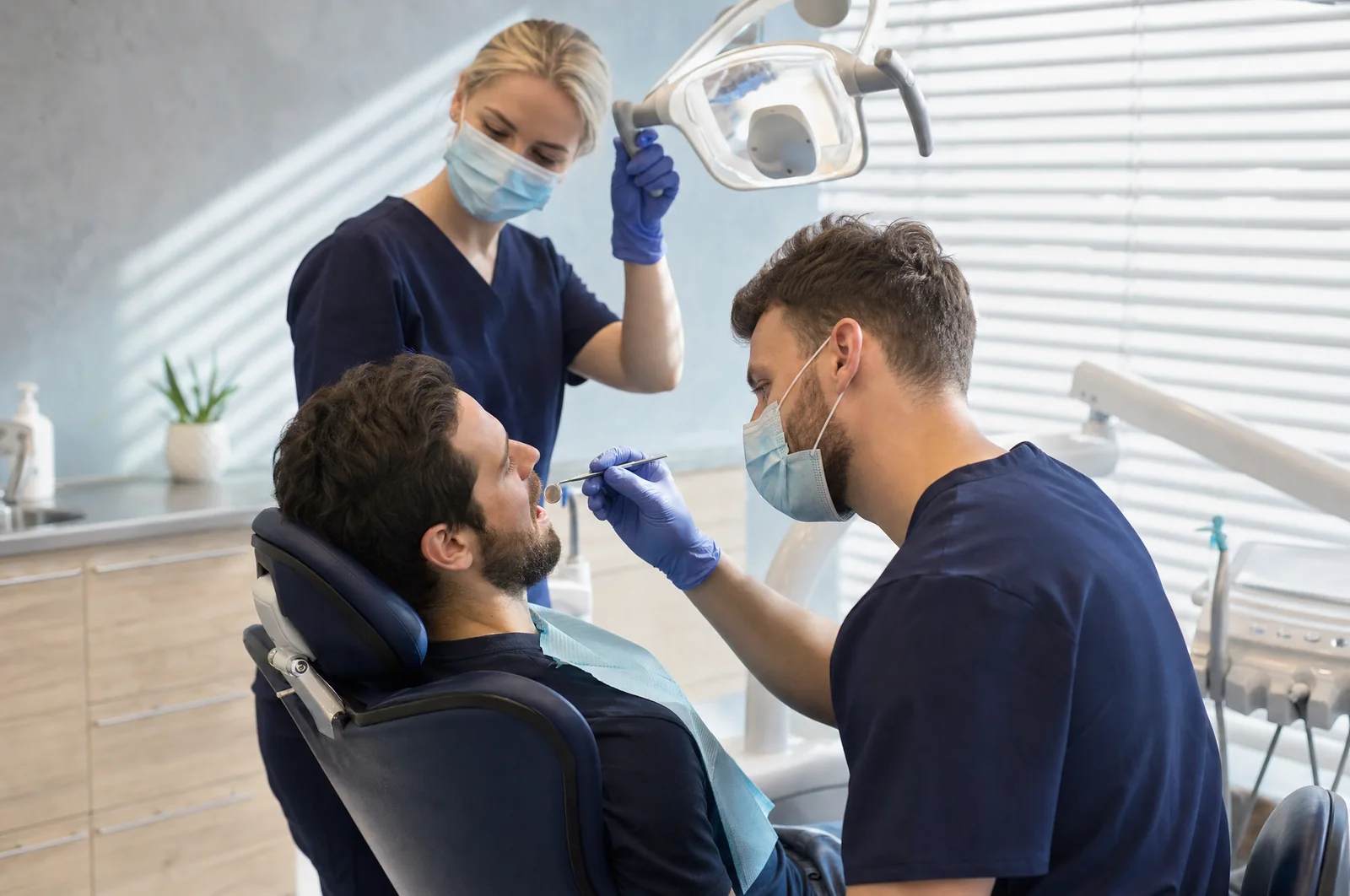
Healthdirect Australia and Australian Dental Association: The dentist shapes the tooth to make room for a crown, then takes an impression or digital scan. Ask what preparation is needed and why before consenting. A crown is a covering over the prepared tooth, not a replacement for understanding its condition. Discuss alternatives and future care alongside the proposed material.Sources: [3, 5]
Ask which tooth surfaces would be changed and whether any rebuilding is proposed before the crown. The dentist should explain the actual preparation for your tooth. A material description or proposed shade does not establish that amount of work.
Request the explanation before preparation begins, including the alternatives and the consequences of declining or delaying care. If the reasons are unclear, ask for more detail or another dental opinion rather than proceeding solely because a crown has been named.
What happens between preparing the tooth and fitting the crown?
Healthdirect Australia and Australian Dental Association: Crown treatment includes preparation and records, fabrication, fit and bite checks, then securing the crown. A laboratory-made process can involve temporary coverage between preparation and final fitting; other methods differ. Ask which stages apply to your plan and how the tooth is cared for between them. Your dentist will explain the proposed materials, methods and any temporary arrangements in your individual plan.Sources: [3, 5]
If a temporary crown is part of the plan, ask for its care instructions and what to do if it changes or comes loose.
Before tooth preparation
Assess and agree the restoration
Healthdirect Australia: Ask why a crown is proposed, what other care is needed and whether a filling or another assessed option is suitable. Confirm the scope and estimate before deciding.Sources: [3, 4]
During the agreed preparation stage
Prepare and record the tooth
Healthdirect Australia: The dentist shapes the tooth and takes an impression or scan for the crown. Ask how discomfort would be managed and what instructions apply afterwards.Sources: [3]
Before final fitting
Fabricate and manage any interval
Australian Dental Association: In a laboratory-made process, the record is supplied for crown fabrication and a temporary crown may cover the tooth. Confirm the clinic's actual process and how to seek advice during the interval.Sources: [5]
When the final crown is ready
Fit and check the crown
Healthdirect Australia: The dentist checks the fit, tooth shape and bite before securing the crown. Tell them about any concern with chewing or the way your teeth meet.Sources: [3]
After placement and at advised check-ups
Review and continue care
Healthdirect Australia and Australian Dental Association: Ask when the restoration and tooth should be reviewed, what symptoms need contact and how to clean the treated area. The crown does not remove the need for dental check-ups.Sources: [3, 5]
How could crown treatment feel, and what should you ask about recovery?
Crown preparation may involve local anaesthetic, and discomfort can occur after treatment, according to Healthdirect Australia. Discuss comfort measures before the procedure and ask for individual advice about eating, medicines, driving and returning to activities. A crown's fit can affect chewing, so report pain or a bite concern. No universal recovery deadline is established for your care.Sources: [3]
Healthdirect Australia: Tell the dentist about previous treatment difficulties and any concerns about keeping your mouth open or taking a break. Ask what is planned for your procedure and how to signal discomfort. The public description of anaesthetic does not confirm the clinic's actual arrangements.Sources: [3]
Healthdirect Australia: Ask what you can eat and drink afterwards, whether any activity needs adjusting and whom to contact if symptoms persist or worsen. Healthdirect recommends asking your dentist about recovery and pain-relief advice. This guide does not supply a medication regimen or clearance to drive.Sources: [3]
Healthdirect Australia: A crown that does not fit properly can cause pain or trouble chewing. Describe which tooth feels affected, when the problem occurs and whether it has changed. Ask for a review rather than assuming discomfort will settle within a fixed number of days.Sources: [3]
Which crown problems need discussion and dental review?
Healthdirect Australia: A crown can loosen, chip, crack or come off; the underlying tooth can break or develop decay. The tooth underneath can break or develop decay, gums can become sore, and poor fit can cause chewing problems. Discuss these risks for your tooth before treatment. Contact a dentist if the crown is damaged, loose or uncomfortable so the tooth and restoration can be assessed.Sources: [3]
Healthdirect Australia: The likelihood of complications can depend on preparation, the material, fit and how the tooth is cared for. Ask the dentist which issues matter in your proposed restoration. General sources do not provide your individual risk or predict a fixed working life for the crown.Sources: [3]
Healthdirect Australia: If an existing crown comes off or a filling is lost, the tooth needs assessment rather than an assumption that the same restoration can simply be replaced. Explain any symptoms and the visible change when seeking advice.Sources: [3, 4]
Ask what review and repair arrangements would apply after placement, and whether any cost is separate. Ask how reviews, repairs or replacement would be handled before agreeing to treatment. The possibility of future care belongs in the decision before the initial treatment.
- A lost filling or crown
Read the assessment and next-action questions if a restoration is lost.
How should you care for a crowned tooth over time?
Healthdirect Australia: Brush twice daily with fluoride toothpaste and clean between teeth each day, as the Australian Dental Association advises for restored teeth. The crown does not make the natural tooth immune to decay or damage. Ask for cleaning advice for your own restoration and discuss possible future repairs. Its appearance and function need review, not a fixed replacement timetable.Sources: [3, 5]
The Australian Dental Association advises brushing twice daily with fluoride toothpaste and cleaning between teeth each day for restored teeth. Ask the dentist to show you how to clean an area you find awkward, rather than leaving it out because it has a crown.Sources: [5]
Australian Dental Association: Crowns can chip, fracture or stop matching neighbouring teeth, and further treatment may be needed. Ask how a future concern would be assessed and what repair or replacement could involve. The initial procedure does not promise that no more treatment will ever be needed.Sources: [5]
Healthdirect Australia: Continue the check-up plan advised for your dental health. Tell the dentist about a changed bite, soreness or a loose feeling between scheduled visits. Symptoms and fit need assessment; the age of a crown alone cannot establish whether it needs replacement.Sources: [3]
How does a crown compare with a smaller restoration or further assessment?
Rebuilding with filling material or a front-surface veneer may be alternatives where suitable; Healthdirect Australia lists both. Compare the purpose, preparation, remaining tooth and future care. A crown recommendation should explain why coverage is needed; deferring an optional appearance change differs from delaying an assessed restoration that protects a vulnerable tooth.Sources: [3, 4]
| Purpose and remaining tooth | Preparation and appointments | Risks, care and further questions | |
|---|---|---|---|
| Rebuild with filling material where suitableSources: [3, 4] | Healthdirect Australia: Repairs an assessed cavity or damaged area | Material and procedure depend on assessment | Sensitivity, wear or fracture can occur; ask about reviews |
| CrownSources: [3] | Healthdirect Australia: Covers an existing tooth where the dentist advises support or restoration | Tooth shaping, records, fabrication and fitting | Decay beneath, poor fit, loosening or fracture remain possible |
| Further assessment before choosing a restorationSources: [3] | Healthdirect Australia: Clarify whether the tooth can be retained and what care is needed | Ask which investigations or additional care apply | Discuss the consequences of waiting and the alternatives for that tooth |
| Defer an elective appearance change if appropriateSources: [3] | Healthdirect Australia: Keep an optional appearance concern unchanged after assessment | No elective crown preparation during deferral | Necessary final restoration after root canal treatment should not be assumed safe to delay |
- Options for replacing missing teeth
Read the replacement-choice guide when that is the assessed decision.
Would you need root canal treatment, and what does waiting mean?
Healthdirect Australia: A crown recommendation alone does not establish a need for root canal treatment. Ask why the crown is proposed and whether any separate care is required. If root canal treatment has already been completed, delaying the final crown or filling can increase fracture or tooth-loss risk; ask about the timing for your tooth.Sources: [3]
Healthdirect Australia: Healthdirect lists several situations where a crown may be considered, including broken or badly decayed teeth and teeth that have had root canal treatment. Ask which reason applies in your case and request a separate explanation and estimate for any additional procedure.Sources: [3]
Healthdirect Australia: Discuss whether a proposed delay concerns an optional appearance decision or necessary restoration of the tooth. Healthdirect specifically warns about delaying the final crown or filling after root canal treatment. Your dentist must advise what care and timing the assessed tooth needs.Sources: [3]
What should a crown estimate include?
Ask for assessment, records, preparation, fabrication, temporary coverage if needed, fitting and review to be itemised. Ask what future repair or replacement would cost if needed. No obligation consultation. Ask for an individual treatment plan and written estimate before deciding. au; HICAPS on-the-spot claims and DVA. Check your cover and any out-of-pocket amount with your fund. Afterpay, Zip, Humm and Supercare (super release) are available, subject to eligibility and provider terms. Compare the full scope rather than a crown price alone.
Ask whether any rebuilding or other treatment is being proposed and whether it has a separate fee. Check what the preparation and fitting quote covers, what reviews are included and how an additional concern would be assessed and quoted.
Request written information about deposits, cancellation terms and any later repair arrangements directly from the clinic. Confirm payment-provider eligibility, your benefit amount and any warranty terms directly. The reason for the crown and the agreed scope should be understandable before you consider the total.
What remains uncertain until your tooth is assessed?
Healthdirect Australia: A crown guide explains preparation, fitting and possible complications, but cannot determine whether your tooth needs coverage or can be retained. The tooth's condition and alternatives require examination. Ask what the proposed crown would address, what uncertainty remains and how the dentist would assess symptoms or further care after placement.Sources: [3]
Before choosing a material or shade, make sure the reason for the restoration is clear. Ask the dentist to explain why the assessed tooth needs the proposed scope and what a smaller restoration or a different care decision would mean.
What other questions should you ask before choosing treatment?
Ask how your individual plan handles replacement decisions, crown materials, temporary coverage, implants and appointment methods. Use these questions to clarify the proposed care and terms before agreeing to treatment.
Can a crown solve every concern about a tooth?
Healthdirect Australia: A crown can help restore an existing damaged tooth, but it still has fit, decay and damage risks. Ask what the proposed crown would address and what limitations remain for your tooth.Sources: [3]
Does a crown need replacing after a set number of years?
Healthdirect Australia and Australian Dental Association: No universal replacement date is established here. Crowns can be damaged or develop fit concerns, while the underlying tooth can decay. A dentist needs to assess the tooth and restoration when deciding on further care.Sources: [3, 5]
What if the appearance bothers you but the tooth has no known damage?
Australian Dental Association and Healthdirect Australia: Ask for an assessment and a comparison with less extensive choices. Veneers cover front surfaces, and a small resin repair may be an alternative for an assessed concern. Do not assume crown preparation is required before that discussion.Sources: [5, 2]
Can the crown itself decay?
Healthdirect Australia: The crown and the natural tooth remain different parts of the decision. Although the crown material itself cannot decay, the underlying tooth can. Understanding that helps you ask about both the initial procedure and the care that remains afterwards.Sources: [3]
Are all crowns made of porcelain?
No. Healthdirect Australia lists porcelain, zirconia, gold alloy and combinations of porcelain and metal among crown materials. Ask which material is proposed for your tooth, why it was chosen and how it affects the estimate. This guide does not confirm the materials available at the clinic.Sources: [3]
Is a temporary crown the final restoration?
No. The Australian Dental Association describes a temporary crown covering a prepared tooth while a laboratory-made crown is being fabricated. Confirm whether that process applies to your plan, which care instructions to follow between appointments and whom to contact if the temporary crown changes or comes loose.Sources: [5]
How is an implant-supported crown different?
Healthdirect Australia: An implant is a separate missing-tooth replacement discussion. It is placed in jawbone and can support a crown, bridge or denture. A crown on an existing tooth and a crown supported by an implant therefore have different starting points; ask about retaining the natural tooth before assuming it needs replacement.Sources: [1, 3]
Can I assume the clinic offers same-day crowns?
Healthdirect Australia: A public explanation of one or two visits does not confirm the clinic's appointment plan or same-day capability. Ask for the actual proposed stages, including other treatment required first. Separate time spent making the crown from the treatment appointments and later review.Sources: [3]
How can you arrange a crown consultation?
Contact Simply Smiles West Perth for a crown consultation. Ask for the findings, reasons for each option, preparation details and full estimate. Mention any symptoms or a lost restoration when you enquire, so the next step can reflect the actual problem rather than appearance alone.
- Contact Simply Smiles West Perth
Confirm crown services and ask for the appropriate assessment.
- Explore the cosmetic decision map
Review the other appearance concerns alongside your tooth assessment.
Sources
Numbers in brackets point to these public sources.
- Healthdirect Australia: Dental implant procedure. Reviewed February 2025. Accessed 6 October 2026.
- Healthdirect Australia: Veneers. Reviewed February 2025. Accessed 6 October 2026.
- Healthdirect Australia: Dental crown procedure. Reviewed February 2025. Accessed 6 October 2026.
- Healthdirect Australia: Dental fillings. Reviewed February 2025. Accessed 6 October 2026.
- Australian Dental Association: Crowns, Bridges and Veneers. Publication/review date not displayed. Accessed 6 October 2026.
Clinical review
This guide was reviewed by the dentist named below. About our dentist
- Reviewing dentist
- Dr Michael Wu
- Qualifications
- Doctor of Dental Medicine (UWA)
- AHPRA registration
- DEN0002758483
- Review date
- 7 October 2026
Source access dates record when the research was checked. They are not clinical review dates.
Discuss your treatment options.
Contact Simply Smiles West Perth for a no obligation consultation with Dr Michael Wu. Ask for the proposed scope, alternatives and written estimate before deciding.

Any surgical or invasive procedure carries risks. Before going ahead, you may wish to seek a second opinion from an appropriately qualified health practitioner.