
Clear Aligners Perth
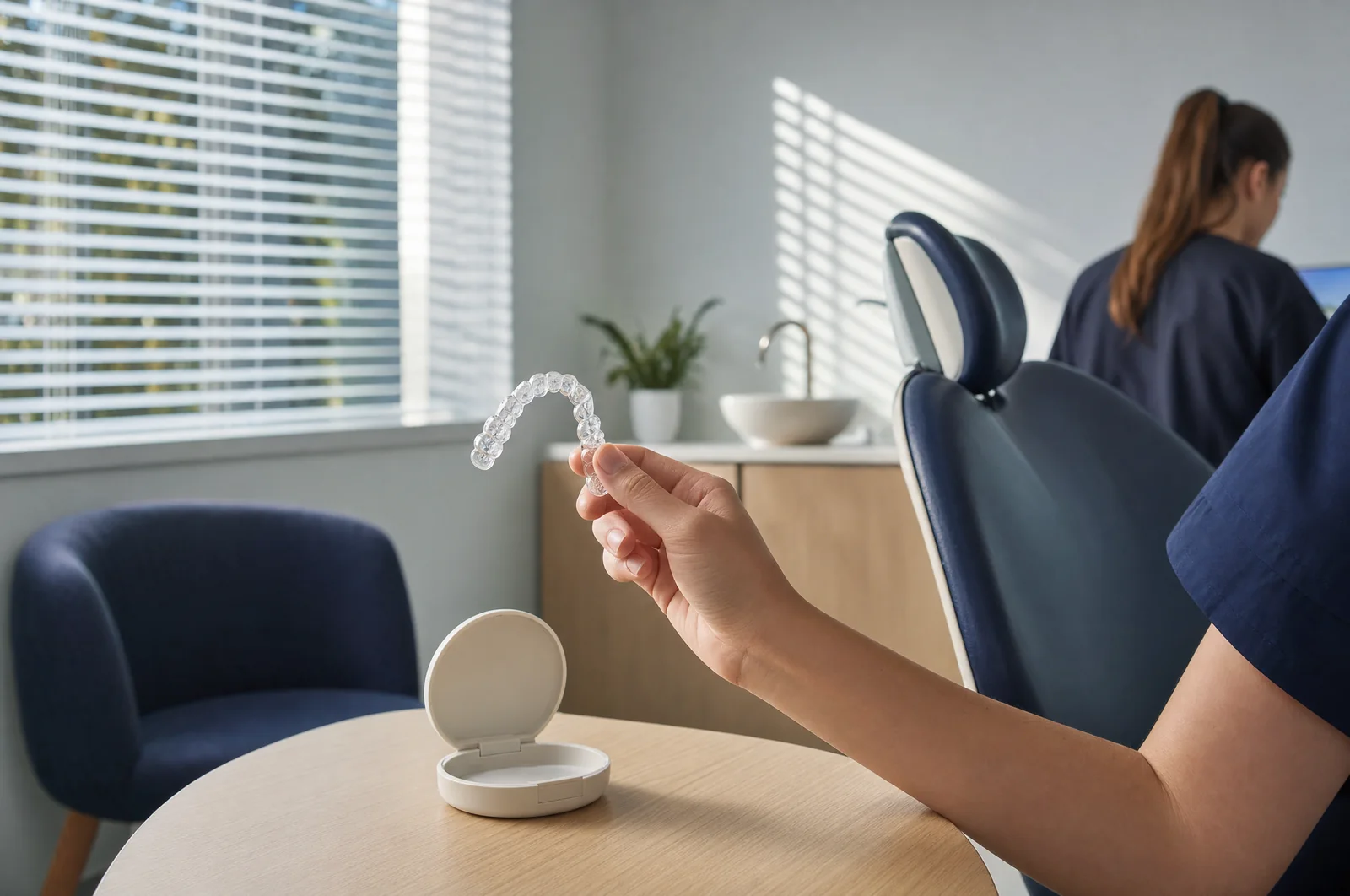
Clear aligners are removable plastic trays used to move teeth, as the Australian Dental Association explains. They require individual assessment, prescribed wear and continuing supervision. Simply Smiles West Perth offers Invisalign clear aligners; discuss your bite and daily routine before choosing treatment.
On this page
What should you consider if you want to discuss clear aligners?
Healthdirect Australia: Clear aligners are custom-made removable plastic trays used to move teeth, as the Australian Dental Association explains. A dentist or orthodontist needs to assess your teeth and bite before recommending them; the daily wearing routine and continuing supervision matter as well.Sources: [2, 3]
- Cosmetic dentistry in West Perth
Consider whether position or another concern is your starting point.
Start with what you want assessed rather than a brand name. Tell the clinician about the tooth positions you notice, any chewing concerns and what you would find difficult about treatment. Ask which parts of your concern an aligner plan could address and which may need another approach.
Healthdirect Australia: Aligners are an orthodontic option, meaning treatment for tooth position and the bite. They are not suitable for every correction. The amount and type of movement required need professional assessment before a tray series is chosen.Sources: [2]
| Information | Clinic detail |
|---|---|
| Clear aligner provision and provider | Invisalign; suitability assessed individually |
| Treatment length, review schedule and appointments | Your dentist will discuss the stages and timing after assessment |
How will a clinician decide whether aligners fit your case?
Healthdirect Australia and Australian Dental Association: A clinician assesses your teeth, jaw alignment, bite and the correction needed before recommending aligners. Assessment may include examination, X-rays and models or digital records. Unhealthy teeth or gums need attention before orthodontic treatment. Ask why aligners or braces would suit your situation, and whether a referral for further assessment is appropriate for the proposed correction.Sources: [2, 3]
Healthdirect Australia: A gap or crowded front tooth is a starting concern, not a diagnosis. Orthodontic assessment looks at how your teeth and jaws fit together, as well as the positions you see. Ask the clinician to explain the findings and connect them with the proposed movement.Sources: [2]
Healthdirect Australia: Tell the clinician about symptoms, existing dental work and any difficulties keeping up with dental care. Healthdirect states that orthodontic treatment is unsuitable when teeth and gums are unhealthy. Ask what care is needed first and how readiness for treatment would be checked.Sources: [2]
Healthdirect Australia: If another tooth also needs assessment for damage or crown treatment, include that in the discussion. A crown decision concerns an existing tooth, while orthodontic care concerns tooth position and the bite; do not assume one planned service settles the other question.Sources: [1, 2]
- Dental crowns
Prepare separate questions about an existing tooth that needs assessment.
What daily commitment comes with removable trays?
Australian Dental Association: Wear aligners consistently as prescribed and remove them for meals and drinks other than water. Remove them for eating and for drinks other than water, and keep your teeth and trays clean. Before starting, think through meals, work and travel. Ask for your individual wearing instructions and what to do if you cannot follow them, rather than setting your own schedule.Sources: [3]
A removable appliance gives you responsibilities between appointments. The Australian Dental Association advises wearing aligners consistently and removing them for meals and non-water drinks. Ask how that routine fits your daily life before deciding whether it is manageable.Sources: [3]
Discuss situations that may make the plan difficult: repeated snacking, working away from cleaning facilities or travel during reviews. Request practical instructions from the treating clinician rather than assuming you can compensate for missed wear by changing trays differently.
Ask how to store trays while they are out, what to do if one is lost or damaged and how to contact the provider. These details should be clear before the first tray is supplied.
What happens from assessment through active treatment and retention?
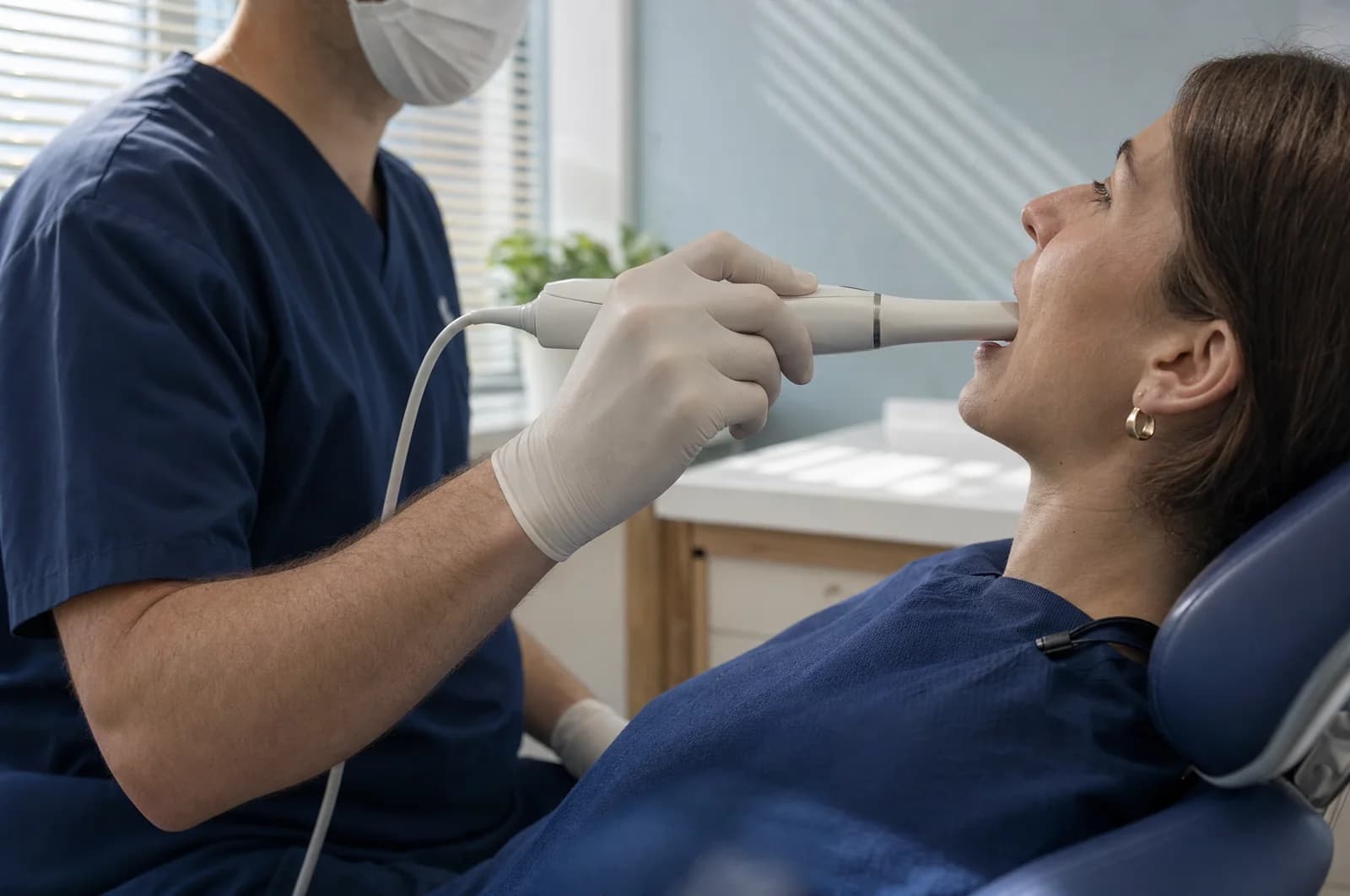
Healthdirect Australia and Australian Dental Association: Aligner care includes assessment, an agreed correction, prescribed tray wear, progress checks and a retention discussion. Retention uses an appliance to help maintain tooth positions. Ask what each stage would involve in your plan and how completion is assessed. Your dentist will explain the proposed materials, methods and any temporary arrangements in your individual plan.Sources: [2, 3]
Healthdirect Australia: Ask which milestone the initial estimate covers and what marks the transition to retention. Finishing the prescribed tray series and understanding the care afterwards are separate parts of the discussion. Do not assume the quote or plan ends with the last tray.Sources: [2]
Your clinician must estimate treatment length from the correction and plan. A broad orthodontic duration on a public information page does not establish how long your aligner care will take. Your dentist will discuss the appointment stages, timing and follow-up for your individual care.
Before accepting an aligner plan
Assessment and records
Healthdirect Australia: The clinician examines your teeth and bite and may take X-rays and models or scans. Ask what correction is proposed and why aligners are suitable rather than another option.Sources: [2]
Before active treatment
Discuss options and agree the plan
Healthdirect Australia and Australian Dental Association: Compare aligners, braces and deferral of elective care where appropriate. Ask for the limitations, risks, daily commitment, estimate and retention plan before you decide.Sources: [2, 3]
During active tooth movement
Use the trays as prescribed
Australian Dental Association: Wear the aligners according to the individual instructions. Remove them for eating and non-water drinks, and follow the care advice for your teeth and trays.Sources: [3]
Throughout the supervised plan
Attend progress reviews
Healthdirect Australia and Australian Dental Association: Keep the advised reviews and raise concerns about discomfort or the wearing routine. Treatment requires professional supervision; the presence of another tray does not replace a progress check.Sources: [2, 3]
At the end of active treatment
Agree retention and continuing review
Healthdirect Australia: Discuss the retainer needed to help maintain tooth positions and the instructions for wearing and caring for it. Ask how ongoing reviews and replacement retainers would be arranged.Sources: [2]
What discomfort or adjustment could you notice?
Orthodontic treatment can cause toothache, mild discomfort or irritation, according to Healthdirect Australia. Tell your treating clinician if discomfort does not improve or if something concerns you. Ask how sensations will be reviewed and managed for your plan. No fixed adjustment period or promise of a particular comfort level applies to everyone.Sources: [2]
Healthdirect Australia: Before starting, ask what sensations the clinician expects and how to distinguish adjustment from a problem needing review. Describe any symptom by its location, when it happens and whether it is changing. Avoid assuming every new discomfort is explained by tooth movement.Sources: [2]
Ask whom to contact if a tray becomes difficult to use or symptoms interfere with the wearing routine. Your clinician should advise the next step for the appliance and treatment plan. A general guide cannot tell you whether to advance, repeat or pause a particular tray.
Discuss practical concerns such as work commitments or eating before choosing treatment. Ask for individual advice about activities and symptom management rather than relying on a general recovery timetable. Discuss anaesthetic options, your comfort needs and any referral with the dentist before treatment.
How does eating, drinking and cleaning change with aligners?
Australian Dental Association: Remove aligners for meals and non-water drinks, and clean your teeth and trays. Clean your teeth, the spaces between them and the trays as advised. Drinks trapped against teeth can cause damage, so the routine matters even when the trays look clean. Ask the clinician to demonstrate care and explain what to do when away from home.Sources: [3]
Australian Dental Association: Brush and clean between your teeth while using aligners, and clean the trays too. Ask for instructions appropriate to the appliance supplied, including what products to use. A general cleaning recipe is not a substitute for the treating provider's advice.Sources: [3]
Plan how you will keep up the routine outside home. Ask about storage and cleaning when at work or travelling, and confirm how reviews will fit those commitments. If the routine proves difficult, raise the issue with the provider so the plan can be discussed.
What risks and long-term responsibilities need discussion?
Australian Dental Association: Teeth can move back after orthodontic treatment, so retainers may be needed to maintain their position, as Healthdirect Australia explains. Teeth can move back over time, so retaining the position requires an individual plan. Poorly supervised orthodontic treatment can damage teeth, gums and jaw joints. Ask about the risks of the proposed correction and how progress and problems will be checked.Sources: [2, 3]
Healthdirect Australia and Australian Dental Association: Unhealthy teeth and gums are a reason to address oral health before orthodontic treatment. Cleaning and regular professional checks remain necessary during the plan; removable trays do not remove those responsibilities.Sources: [2, 3]
Healthdirect Australia: Retainers help keep teeth in position after active treatment. Ask which appliance is proposed, how you would wear and care for it, and what review or replacement may be needed. No universal retainer wearing schedule is set by this guide.Sources: [2]
If you struggle with the daily routine or cannot attend a review, tell the clinician. Ask how that affects your particular plan and what options remain. Do not use an online tray-changing schedule to replace the provider's advice.
How do clear aligners compare with braces or deferring elective treatment?
Healthdirect Australia and Australian Dental Association: Clear aligners and fixed braces are orthodontic options; the assessed correction determines suitability. Removable trays require consistent wear and a meal-and-cleaning routine; braces have a different appliance-care routine. Both need supervision and a discussion of retention. Ask about deferring an elective change after assessment and the implications of waiting.Sources: [2, 3]
If you want to discuss colour or tooth shape as well as alignment, identify those as separate concerns. Ask which decisions depend on others and which can be considered independently. A planning discussion should explain the scope rather than assume a combined package.
| Suitability and appliance | Daily routine | Supervision and ongoing care | Clinic quote | |
|---|---|---|---|---|
| Supervised clear alignersSources: [2, 3] | Healthdirect Australia and Australian Dental Association: Custom removable trays; correction needs assessment | Prescribed wear; remove for eating and non-water drinks; clean trays and teeth | Progress checks and a retention discussion | Discuss your individual plan with Dr Michael Wu at a no obligation consultation |
| Fixed bracesSources: [2, 3] | Healthdirect Australia and Australian Dental Association: Fixed orthodontic appliances; the clinician assesses the correction | Clean teeth and around the appliance; ask about eating instructions | Reviews and retainers may be needed after active treatment | Discuss your individual plan with Dr Michael Wu at a no obligation consultation |
| Defer an elective alignment changeSources: [2] | Healthdirect Australia: Discuss the findings and whether any care is needed now | No active elective appliance routine during deferral | Ask about oral-health care and any reassessment needed | Discuss your individual plan with Dr Michael Wu at a no obligation consultation |
- Smile makeover
Organise several proposed changes before agreeing to a sequence.
- Teeth Whitening Sensitivity: What to Ask
If colour is also a concern, read the separate whitening suitability questions.
What should an aligner estimate include beyond the trays?
Healthdirect Australia: Check whether the quote includes assessment, imaging, appliances, regular and problem appointments, retainers and follow-up. Check what is separate and how extra care would be quoted. No obligation consultation. Ask for an individual treatment plan and written estimate before deciding. au; HICAPS on-the-spot claims and DVA. Check your cover and any out-of-pocket amount with your fund. Afterpay, Zip, Humm and Supercare (super release) are available, subject to eligibility and provider terms. Compare the full plan and continuing care rather than a tray price alone.Sources: [2]
Healthdirect Australia: Healthdirect recommends checking the pre-treatment assessment, records, regular consultations, emergency appointments, appliances, retainers and later reviews in an orthodontic quote. Ask the provider to mark included and excluded items clearly for your proposed plan.Sources: [2]
Also ask how a lost or damaged appliance, a change in the plan or additional treatment would be handled and charged. These questions do not establish that extras will be needed or included. Payment options are Afterpay, Zip, Humm and Supercare (super release); discuss any replacement terms and your cover before deciding.
What does general guidance leave for your treating clinician?
Healthdirect Australia and Australian Dental Association: Public aligner guidance describes assessment, supervision and appliance care, but cannot establish your eligibility, wearing prescription or treatment length. The correction and daily commitment need an individual plan. Ask the clinician what the proposed movement can address, what its limits are and how progress and the transition to retention will be assessed.Sources: [2, 3]
Before accepting a tray series, ask for an explanation of the correction and the checks needed along the way. A general account of removable treatment should support that conversation, rather than become instructions for changing your own trays.
What other questions should you ask before choosing treatment?
Ask how your individual plan handles lost trays, retention, drinks, appliance appearance, imaging and the treating provider. Use these questions to clarify the proposed care and terms before agreeing to treatment.
What if you lose a tray or cannot follow the instructions?
Australian Dental Association: Contact the treating provider for individual advice rather than choosing the next tray yourself. Ask about the response process before treatment starts.Sources: [3]
Does finishing active treatment remove the need for retainers?
Healthdirect Australia: No. The clinician needs to discuss your individual retention plan; the end of active treatment does not establish a universal date for stopping retainer care. Ask how wearing instructions, reviews and replacement arrangements will be provided after the tray series ends.Sources: [2]
Can you avoid an in-person assessment by ordering trays online?
The Australian Dental Association advises against DIY orthodontics and recommends in-person assessment with continuing supervision. Discuss the assessed correction with a dentist or orthodontist before choosing treatment.Sources: [3]
Can I remove aligners for meetings or social occasions?
Discuss that situation with your treating clinician before changing the prescribed routine. The Australian Dental Association advises consistent wear, with removal for eating and non-water drinks. Ask how your working day fits the plan and what to do if following the instructions becomes difficult.Sources: [3]
Why should I remove trays for juice or soft drink?
The Australian Dental Association warns that liquids such as juice or soft drink can be trapped against teeth when consumed with aligners in place, causing damage if this happens repeatedly. Removing trays for these drinks is part of the practical care plan.Sources: [3]
Are clear aligners invisible?
No. The Australian Dental Association describes clear aligners as clear plastic but not invisible. If the appearance of an appliance matters to you, discuss it alongside the correction and daily responsibilities before choosing treatment. Appearance alone does not establish whether aligners suit your bite.Sources: [3]
Will I need X-rays at every review?
Your clinician must explain which records are needed and why; this guide does not set an imaging schedule. Healthdirect Australia describes X-rays and models or digital records during orthodontic assessment. Ask how existing records and later investigations would be used in your own plan and whether their costs are included.Sources: [2]
Who will provide my treatment and any further assessment?
Ask for the name of the treating clinician and who provides progress reviews, problem appointments and retention care. Dr Michael Wu is a general dentist. Confirm whether any further assessment or referral is proposed for your bite, and ask how those responsibilities and costs would be explained.
How can you arrange a clear aligner consultation?
Contact Simply Smiles West Perth for an Invisalign clear aligner consultation. Describe the tooth-position or bite concern you want checked, along with any difficulty you foresee with wear or reviews. Request the alternatives and full quote, including retention, before deciding whether the proposed commitment suits your circumstances.
- Contact Simply Smiles West Perth
Confirm assessment services, the provider and the enquiry process.
- Review cosmetic treatment choices
Return to the guide if your concern goes beyond position.
Sources
Numbers in brackets point to these public sources.
- Healthdirect Australia: Dental crown procedure. Reviewed February 2025. Accessed 6 October 2026.
- Healthdirect Australia: Orthodontic treatments. Reviewed February 2025. Accessed 6 October 2026.
- Australian Dental Association: Teeth straightening and braces. Publication/review date not displayed. Accessed 6 October 2026.
Clinical review
This guide was reviewed by the dentist named below. About our dentist
- Reviewing dentist
- Dr Michael Wu
- Qualifications
- Doctor of Dental Medicine (UWA)
- AHPRA registration
- DEN0002758483
- Review date
- 7 October 2026
Source access dates record when the research was checked. They are not clinical review dates.
Discuss your treatment options.
Contact Simply Smiles West Perth for a no obligation consultation with Dr Michael Wu. Ask for the proposed scope, alternatives and written estimate before deciding.

Any surgical or invasive procedure carries risks. Before going ahead, you may wish to seek a second opinion from an appropriately qualified health practitioner.