
Smile Makeover Perth
A smile makeover brings several dental appearance concerns into one planning discussion. Whitening, veneers, crowns and orthodontic care are separate procedures with different purposes, as Healthdirect Australia explains. Simply Smiles West Perth offers smile makeovers; assess dental health first and consider each proposed change separately.

On this page
Where can you start if you have several concerns about your teeth?
Healthdirect Australia: Start with a list of your concerns and an assessment of your dental health. A smile makeover is a way to organise those decisions, not one standard procedure. Start with your priorities and an assessment, then consider which, if any, treatment addresses each concern and what it commits you to.Sources: [1, 2, 3, 4]
- Cosmetic dentistry in West Perth
Start with the concern-to-option map.
You do not need to describe a finished look. Bring a short list of what bothers you, what matters most and what you want to leave alone. Include any worries about time, cost or comfort. The first useful decision may be which question needs answering, rather than which procedure to buy.
Healthdirect Australia: Whitening, veneers, orthodontic care and crowns have different purposes and limits. Combining their names into a plan does not remove the need to understand each step separately. Ask for the reason behind every proposed procedure and the alternatives for that particular concern.Sources: [1, 2, 3, 4]
| Information | Clinic detail |
|---|---|
| Services available for a combined plan | Offered at Simply Smiles West Perth; suitability assessed individually |
| Assessment, treatment and review timing | Discuss your individual plan with Dr Michael Wu at a no obligation consultation |
What must be assessed before you plan several cosmetic changes?
Healthdirect Australia and Australian Dental Association: Assess teeth, gums, bite and existing dental work before planning appearance changes. Veneers do not correct decay or bite problems, unhealthy teeth and gums affect orthodontic suitability, and restorations do not whiten like natural teeth. Ask which findings need care first and which concerns are elective choices for later discussion.Sources: [1, 4, 6]
Healthdirect Australia: Tell the dentist about pain, sensitivity, clenching, grinding and earlier dental work. Veneer suitability can be affected by grinding, clenching or gum disease. Whitening also needs particular care in the suitability discussion if you have sensitivity, cracks or untreated dental problems.Sources: [1, 3]
Ask the assessment to separate findings from recommendations. What was found in the tooth or bite? What treatment is being proposed for that finding? Which parts of the plan are intended only to change appearance? This helps you understand why several procedures may have been suggested.
Healthdirect Australia: If a tooth is damaged, ask whether retaining and restoring it is a separate priority. A crown can cover an existing damaged tooth, but the need and alternatives must be assessed. An appearance concern elsewhere does not answer that tooth's treatment question.Sources: [2]
- Dental crowns
Prepare questions about a tooth that may need restoration.
How can you choose a smaller change or leave some teeth alone?
Healthdirect Australia: You can ask to address one concern and leave other appearance features unchanged. Veneer alternatives include limited resin repair, whitening, orthodontic care and leaving teeth unchanged. The suitable choice depends on assessment. Define the change you actually want, then compare its scope with a larger plan before agreeing to preparation or additional procedures.Sources: [1]
Write your priorities in your own order. You might care most about one tooth and be comfortable with the others, or want to understand a bite concern before considering colour. Ask the dentist to explain a plan that addresses only the priority you name.
Healthdirect Australia: For a limited defect, ask whether resin repair of a small section is worth considering instead of veneer coverage. For several concerns, ask what could remain as it is. These are assessment questions, not a promise that a smaller procedure will be sufficient.Sources: [1]
How should whitening, existing dental work and other steps be sequenced?
Australian Dental Association and Healthdirect Australia: Sequence treatment around the assessed health needs and the procedures you choose. Whitening does not lighten fillings, crowns or veneers, so colour planning around restorations needs discussion. Orthodontic care and restorative treatment also have their own milestones. Ask which steps depend on others, where you can reconsider and what waiting would mean.Sources: [6, 2, 4]
Australian Dental Association: If whitening is being considered alongside new restorative work, ask how the dentist plans the colour decision. Existing restorative materials will not lighten with the gel. That fact supports asking about the sequence; it does not supply a universal waiting interval or require replacement of every restoration.Sources: [6]
Healthdirect Australia: If orthodontic care forms part of the discussion, ask how its active treatment and retention stages fit the overall plan. The public guidance describes supervision and care after tooth movement, but it does not establish your clinic appointments or a combined treatment deadline.Sources: [4]
Healthdirect Australia: If a final crown or filling is needed after root canal treatment, delaying it can increase the risk of fracture or loss of the tooth. Ask the dentist to identify any care that should not be deferred and keep that advice distinct from optional appearance changes.Sources: [2]
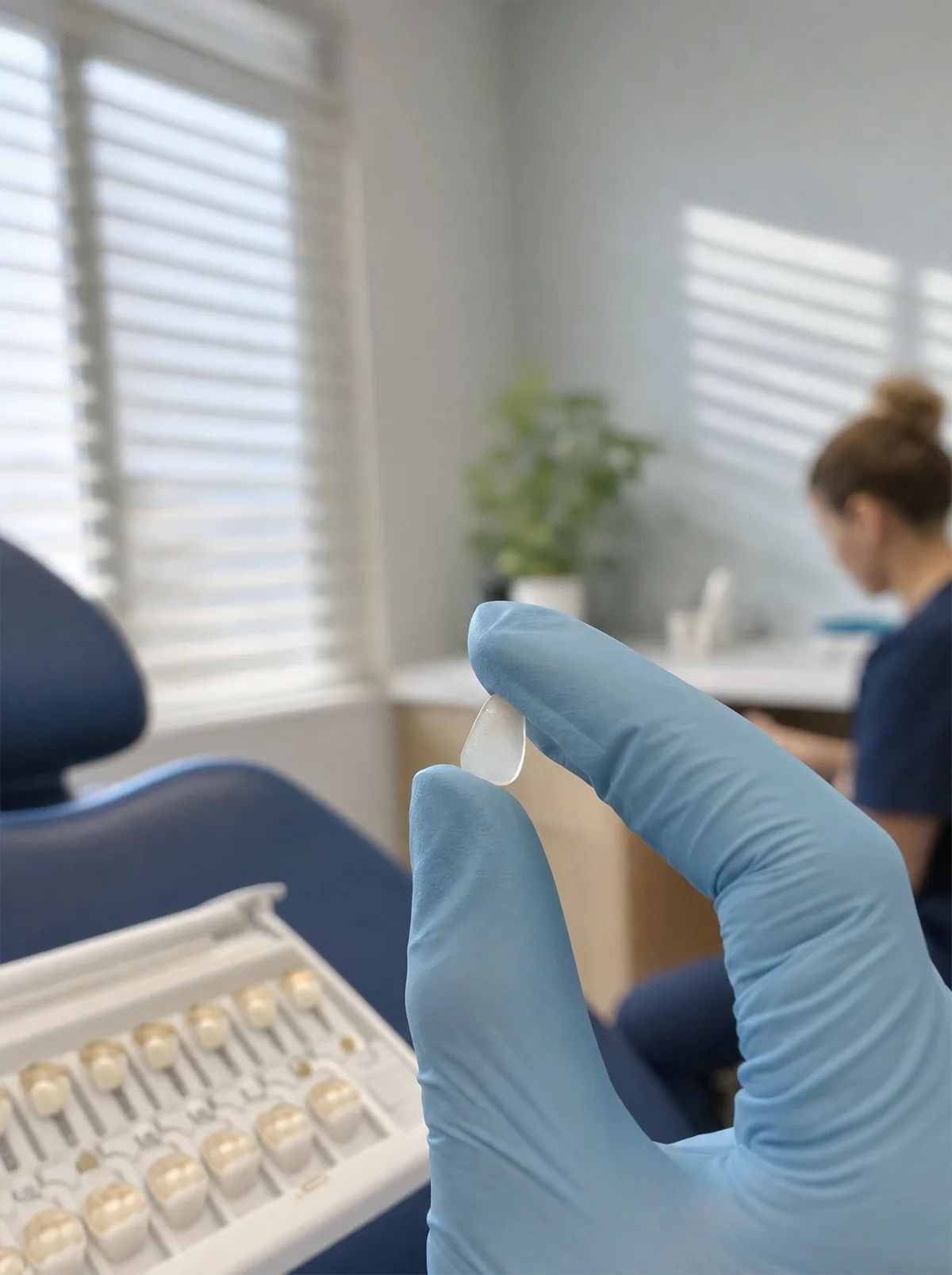
What should a staged plan explain at each decision point?
A staged plan should identify the findings, alternatives, scope, sequence, costs and review points for each procedure. Each stage should have a purpose and a clear cost explanation. Ask where you can stop to reconsider an elective step and how necessary dental care would continue if you chose a smaller plan.
A milestone is a decision or check, not an invented number of days. Confirm the clinic's appointment plan, its available services and who is responsible for each stage. Your dentist will discuss the appointment stages, timing and follow-up for your individual care.
At the assessment discussion
Record your priorities and the findings
Healthdirect Australia: Ask which tooth, restoration or bite concern each recommendation addresses. Separate current dental-health needs from the changes you would like to explore.Sources: [1, 2, 4]
Before agreeing the scope
Compare options for each concern
Healthdirect Australia: Discuss colour, surface shape, tooth position and structural support as different questions. Ask about less extensive choices and leaving an elective concern unchanged.Sources: [1, 2, 3, 4]
Before treatment starts
Agree preparation and the proposed sequence
American Dental Association: Identify any change to natural teeth, any clinically dependent stages and the review points. Enamel removal for veneers is irreversible, so understand that decision before preparation.Sources: [7]
At each treatment-specific milestone
Complete the agreed procedure and review it
Healthdirect Australia: Ask what fitting, symptoms or progress will be checked before another stage. A restoration fitting and supervised orthodontic progress are different kinds of review.Sources: [2, 4]
Before considering the plan finished
Set out ongoing responsibilities
Australian Dental Association and Healthdirect Australia: Discuss daily care, possible restoration repairs and any retainer needed after orthodontic treatment. Ask who provides follow-up and how future care is quoted.Sources: [5, 4]
How do comfort and recovery differ across a combined plan?
Australian Dental Association and Healthdirect Australia: Comfort and recovery depend on each procedure. Whitening can cause sensitivity or tissue burns, veneers can cause sensitivity after preparation, crowns may involve discomfort and orthodontic appliances can cause irritation. Ask for instructions at each stage and a clear response to symptoms, rather than one reassurance covering the whole plan.Sources: [6, 1, 2, 4]
Healthdirect Australia: Tell the treating clinician about any previous difficulty with dental treatment and ask how comfort will be discussed for each procedure. For crown treatment, ask about anaesthetic, eating, activities and symptoms afterwards; the dentist must advise for your actual care.Sources: [2]
Healthdirect Australia: Whitening symptoms and an appliance that feels uncomfortable need different advice. Healthdirect advises a dental check when whitening sensitivity or irritation continues beyond one or two days, while severe symptoms need prompt advice. Orthodontic discomfort that does not improve should be raised with the clinician.Sources: [3, 4]
Ask what happens if a stage needs review before you move on. Confirm the contact route and appointment arrangements rather than assuming one treatment's aftercare instructions cover another. No universal return-to-work or recovery date is established for a combined plan.
What permanent changes, risks and future care should you weigh?
American Dental Association and Australian Dental Association and Healthdirect Australia: Weigh enamel removal, restoration damage and retention separately. Enamel removal for veneers is irreversible; restorations can chip, fracture or need replacement; whitening can affect sensitivity and colour matching; orthodontic care includes a retention discussion. Ask what each risk means for your teeth and future choices. A combined plan does not remove ongoing dental-health responsibilities.Sources: [7, 5, 6, 4]
American Dental Association: Ask what natural tooth structure would change and why. The possibility of replacing a veneer later does not reverse enamel removal. Understand the preparation decision before judging a plan by its proposed appearance.Sources: [7]
Australian Dental Association: Teeth with crowns or veneers still need brushing with fluoride toothpaste, cleaning between teeth and dental review. They can still develop decay, and the restoration may need future repair or replacement. Ask about care for each treated area rather than assuming it is permanently finished.Sources: [5]
Healthdirect Australia: After orthodontic treatment, retainers help maintain tooth positions because teeth can move back over time. If alignment is one stage in your plan, ask how retention would continue alongside later reviews.Sources: [4]
Request a practical account of future maintenance and cost. Who would review each procedure? What problems should prompt contact? Which charges might be separate?
How can you compare a limited change with a larger treatment plan?
Healthdirect Australia: Compare a limited change with a larger plan by treatment purpose, tooth preparation and future care. A combination is not automatically necessary when you have several concerns. The table helps you ask what each step would add and what it would not solve; individual suitability still requires a dental assessment.Sources: [1, 2, 3, 4]
Ask the dentist to compare a plan for your first priority with the full proposal. Request the added purpose, preparation and cost of each further stage. You can then consider the larger scope with the reasons visible, instead of treating the word 'makeover' as an instruction to accept every option.
| Main question | Natural-tooth commitment | Limits and continuing care | |
|---|---|---|---|
| No elective appearance changeSources: [1] | Healthdirect Australia: Can you keep the features you have? | No elective preparation | Necessary dental-health care still needs discussion |
| Whitening onlySources: [3, 6] | Healthdirect Australia and Australian Dental Association: Is natural tooth colour the main concern? | Bleaching if suitable, rather than a covering | Restorations do not whiten; sensitivity and tissue risks |
| Limited resin repairSources: [1] | Healthdirect Australia: Is one small section the concern? | Extent of the repair needs assessment | Ask about its limits and any later care |
| VeneersSources: [1, 7, 5] | Healthdirect Australia and American Dental Association and Australian Dental Association: Would front-surface coverage address the concern? | Preparation may remove enamel irreversibly | Possible sensitivity, damage or mismatch; cleaning and reviews |
| Orthodontic treatmentSources: [4] | Healthdirect Australia: Does tooth position or the bite need correction? | Assessed and supervised movement | Wear and appliance care; retention afterwards |
| Crown for an assessed toothSources: [2] | Healthdirect Australia: Does an existing damaged tooth need a covering? | Tooth shaping before fitting | Fit, decay beneath the crown and possible damage |
- Porcelain veneers
Read the preparation and long-term care questions before choosing coverage.
- Porcelain vs Composite Veneers
Compare veneer choices if they form part of the proposed plan.
What should a written makeover plan and estimate include?
Request a procedure-by-procedure estimate showing the tooth or area treated, sequence, inclusions and separate charges. Distinguish initial treatment from reviews, repair, replacement and retention costs. No obligation consultation. Ask for an individual treatment plan and written estimate before deciding. au; HICAPS on-the-spot claims and DVA. Check your cover and any out-of-pocket amount with your fund. Afterpay, Zip, Humm and Supercare (super release) are available, subject to eligibility and provider terms. A single package total does not explain the decisions inside it.
Healthdirect Australia: Check assessment and records, any preparation, laboratory work, appliances, fitting and follow-up where relevant. For orthodontic care, the quote should make clear whether the assessment, imaging, reviews and retainers are included.Sources: [4]
If you prefer care spread across stages, ask which stages can safely wait and confirm the clinic's availability separately. Afterpay, Zip, Humm and Supercare (super release) are available; check eligibility and provider terms.
What can these sources tell you about a smile-makeover plan?
Healthdirect Australia: A smile-makeover label does not establish a standard combination of treatments or a combined completion date. General sources describe the individual options, but your teeth and priorities need assessment. Ask what supports each recommendation, what could remain unchanged and which decisions depend on another procedure before agreeing to the overall scope.Sources: [1, 2, 3, 4]
Use the proposed sequence as a list of decisions to understand. Ask what the dentist would need to know before recommending each stage and what would happen to the plan if you selected only your first priority.
What other questions should you ask before choosing treatment?
Ask how your individual plan handles optional stages, event timing, existing restorations, consent and responsibility for each procedure. Use these questions to clarify the proposed care and terms before agreeing to treatment.
Does a smile makeover always mean veneers?
Healthdirect Australia: No. Veneers are one option among whitening, limited resin repair, orthodontic care and leaving teeth unchanged where appropriate. Ask why any proposed veneer fits your assessed concern rather than assuming the planning label means surface coverings.Sources: [1]
Do existing crowns or fillings automatically need replacement?
Australian Dental Association: Whitening does not lighten restorations, and restorations can need replacement for damage or colour changes. Neither fact alone establishes that every existing restoration should be replaced. Ask for an assessment and a reason for each proposed change.Sources: [6, 5]
Can you ask for another discussion before an irreversible step?
American Dental Association: Ask for the preparation details and any remaining questions to be resolved before you agree. Enamel removal for veneers cannot be reversed, so understanding that commitment belongs before the procedure, not only at a later review.Sources: [7]
Can a plan be guaranteed to finish before an event?
Request a written order with decision points, rather than an event-date promise. Ask which steps can be considered independently, what has already been agreed and what would need a fresh discussion if you changed your mind.
What happens if I decline one optional stage?
Ask what happens to the written plan if you decline an optional stage, request a smaller scope or need further discussion after a review. This is a question about the plan and terms, not confirmation of a clinic cancellation or refund policy.
Must every visible tooth be included in the proposal?
You can request the proposed larger scope in writing and ask why each additional tooth or procedure appears in it. If the reason is unclear, ask for clarification or another professional opinion before making an elective decision. More items in a plan do not make the explanation less necessary.
Does a payment option tell me whether the plan is suitable?
No. The assessed reasons for treatment and the payment terms are separate decisions. Ask for both to be explained in writing. Payment providers have eligibility requirements and terms; confirm them before relying on a payment arrangement, and compare the clinical scope before choosing how to pay.
What if different clinicians are involved in different stages?
Ask who is responsible for each procedure, which reviews occur before the next stage and whom to contact with a concern. Confirm any referral and record-sharing arrangements with the clinic. A combined estimate should make the responsibilities clear rather than leave you to assume one clinician provides everything.
How can you arrange a smile-makeover consultation?
Contact Simply Smiles West Perth for a smile-makeover consultation. Share your first priority, what you want to keep and any constraints on care. Request a written explanation of the options and their separate costs, then take time to consider the proposed scope before choosing elective treatment.
- Contact Simply Smiles West Perth
Confirm available assessments and begin with your priorities.
- Return to cosmetic treatment options
Compare the concerns and individual guides again.
Sources
Numbers in brackets point to these public sources.
- Healthdirect Australia: Veneers. Reviewed February 2025. Accessed 6 October 2026.
- Healthdirect Australia: Dental crown procedure. Reviewed February 2025. Accessed 6 October 2026.
- Healthdirect Australia: Teeth whitening. Reviewed February 2025. Accessed 6 October 2026.
- Healthdirect Australia: Orthodontic treatments. Reviewed February 2025. Accessed 6 October 2026.
- Australian Dental Association: Crowns, Bridges and Veneers. Publication/review date not displayed. Accessed 6 October 2026.
- Australian Dental Association: Teeth Whitening. Publication/review date not displayed. Accessed 6 October 2026.
- American Dental Association / MouthHealthy: Veneers. Publication/review date not displayed. Accessed 6 October 2026.
Clinical review
This guide was reviewed by the dentist named below. About our dentist
- Reviewing dentist
- Dr Michael Wu
- Qualifications
- Doctor of Dental Medicine (UWA)
- AHPRA registration
- DEN0002758483
- Review date
- 7 October 2026
Source access dates record when the research was checked. They are not clinical review dates.
Discuss your treatment options.
Contact Simply Smiles West Perth for a no obligation consultation with Dr Michael Wu. Ask for the proposed scope, alternatives and written estimate before deciding.

Any surgical or invasive procedure carries risks. Before going ahead, you may wish to seek a second opinion from an appropriately qualified health practitioner.